
New Research: For Bipolar Disorder, Your Life Experiences May Matter More Than Your Genes
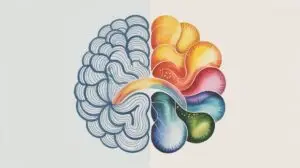
A 2026 study of 115,000 people found childhood adversity and stress predict bipolar disorder more strongly than genes. What this means for treatment.

Distress tolerance helps people survive acute pain, urges, and crises without adding avoidable consequences. It is not the same as accepting that harmful circumstances should never change.
Use this page to understand concepts and prepare questions. Diagnosis, safety, readiness, and treatment selection require a clinical review.
Distress tolerance helps people survive acute pain, urges, and crises without adding avoidable consequences. It is not the same as accepting that harmful circumstances should never change.
Choose a small exercise that fits the current situation. Stop and seek clinical or emergency support when risk, dissociation, mania, psychosis, intoxication, or medical concerns make self-directed practice unsafe.
No. It means surviving the current moment without worsening it while planning effective protection or change.
Usually not. They stabilize enough to return to problem solving, emotion regulation, or interpersonal action.
Use the safety plan and emergency resources. Website skills are not a replacement for urgent help.
Yes. If crisis skills are used to postpone every necessary conversation or change, the treatment plan needs to address that pattern.

A 2026 study of 115,000 people found childhood adversity and stress predict bipolar disorder more strongly than genes. What this means for treatment.

Learn how DBT Next Steps helps DBT graduates move from stable-but-stuck to self-sufficient. Reduce avoidance, build routines, strengthen relationships, and create meaningful progress.

BPD vs bipolar: why these conditions get confused, the differences that actually matter for treatment, and what helps emotional dysregulation either way.

Master your emotions with DBT. Learn practical Emotion Regulation skills to manage intense feelings and regain control. DBT Saskatchewan can help you find emotional balance.
Discover if Dialectical Behavior Therapy is right for you. DBT Saskatchewan offers skills to manage intense emotions, improve relationships, and build a stable life.

Discover proven DBT techniques to overcome depression. Embrace mindfulness, emotion regulation, and distress tolerance to reclaim freedom, build resilience, and enjoy a fulfilling, research-backed life.
A clinician can help determine whether this concept fits the actual pattern and which treatment pathway is proportionate.