About DBT Saskatchewan
People you can get to know. Care you can understand.
Meet the Saskatchewan-based team behind DBT Saskatchewan, an STG Health clinic offering psychotherapy, skills training, and practical support for everyday life.
You don’t need to choose a program before contacting us. Intake does not commit you to treatment.
A Saskatchewan-based team
Counselling, psychotherapy, psychology, and program-delivery expertise within STG Health.
Your clinician’s involvement is confirmed for your treatment plan. The full team is not involved in every service.
Meet the clinicians
The clinicians bring complementary counselling, psychotherapy, psychology, assessment, and program-delivery expertise. Assignment is based on scope, clinical fit, availability, funding, and the treatment pathway.
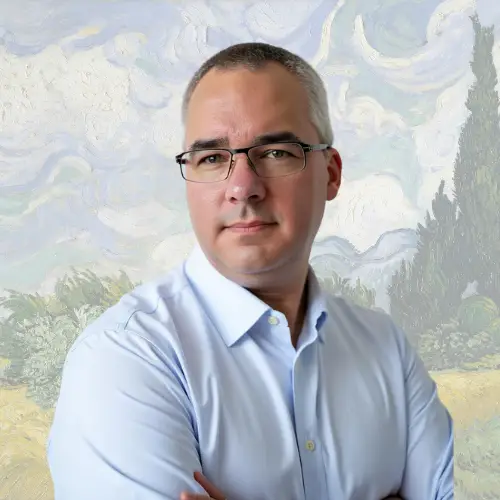
Dr. Chris de Feijter, EdD., MACP
CEO · Clinical Counsellor / Psychotherapist
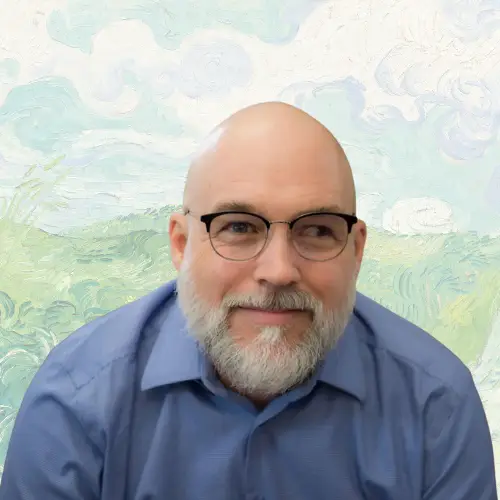
Dr. Mike White, PhD.
Associate · Registered Doctoral Psychologist

Mattea Koebernick
Associate · Mental Health Therapist
At intake, we explain who would work with you, their role in your care, and what you can expect from that service. You can ask questions about their approach before deciding to proceed.
Structured enough to provide direction. Flexible enough to respond to the person.
Care starts by clarifying the pattern and the amount of structure needed. Treatment is reviewed when risk, functioning, goals, medical needs, or the evidence changes.
Feeling understood
Plans people can follow
Care matched to your needs
DBT works through acceptance and change.
- 01
Acceptance
Notice reality, validate what makes sense, reduce judgement and make room for the present moment.
- 02
Change
Learn skills, alter behaviour, solve problems and move toward goals that matter.
What clients should be able to expect
A structured service should make its purpose, boundaries, and next steps understandable.
Clear scope
Informed consent
Measurement and review
Secure care
Coordination with consent
Ethical referral
You can work out the next step with us.
Tell us what has been difficult and what you hope to change. A clinician reviews your needs and explains the recommended support, practical arrangements, and next steps.
No referral is needed to contact the clinic. Your funding provider may have separate referral or authorization requirements.