
New Research: For Bipolar Disorder, Your Life Experiences May Matter More Than Your Genes
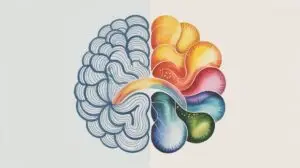
A 2026 study of 115,000 people found childhood adversity and stress predict bipolar disorder more strongly than genes. What this means for treatment.

DBT can stabilize life-threatening and severe behavioural patterns. DBT Prolonged Exposure then treats PTSD directly when readiness, safety, commitment, and skill access are sufficient.
Use this page to understand concepts and prepare questions. Diagnosis, safety, readiness, and treatment selection require a clinical review.
DBT can stabilize life-threatening and severe behavioural patterns. DBT Prolonged Exposure then treats PTSD directly when readiness, safety, commitment, and skill access are sufficient.
Choose a small exercise that fits the current situation. Stop and seek clinical or emergency support when risk, dissociation, mania, psychosis, intoxication, or medical concerns make self-directed practice unsafe.
No. The clinician needs enough information to assess safety, symptoms, and treatment fit, but detailed exposure work is not conducted during a general intake.
Active life-threatening behaviour or severe instability can make trauma-focused treatment unsafe or ineffective. Stabilization is assessed first.
No. When PTSD remains central, the goal is to prepare direct treatment rather than postpone it indefinitely.
No. It is a specific integrated protocol with readiness criteria and service-availability considerations.

A 2026 study of 115,000 people found childhood adversity and stress predict bipolar disorder more strongly than genes. What this means for treatment.

Learn how DBT Next Steps helps DBT graduates move from stable-but-stuck to self-sufficient. Reduce avoidance, build routines, strengthen relationships, and create meaningful progress.

BPD vs bipolar: why these conditions get confused, the differences that actually matter for treatment, and what helps emotional dysregulation either way.

Master your emotions with DBT. Learn practical Emotion Regulation skills to manage intense feelings and regain control. DBT Saskatchewan can help you find emotional balance.
Discover if Dialectical Behavior Therapy is right for you. DBT Saskatchewan offers skills to manage intense emotions, improve relationships, and build a stable life.

Discover proven DBT techniques to overcome depression. Embrace mindfulness, emotion regulation, and distress tolerance to reclaim freedom, build resilience, and enjoy a fulfilling, research-backed life.
A clinician can help determine whether this concept fits the actual pattern and which treatment pathway is proportionate.